



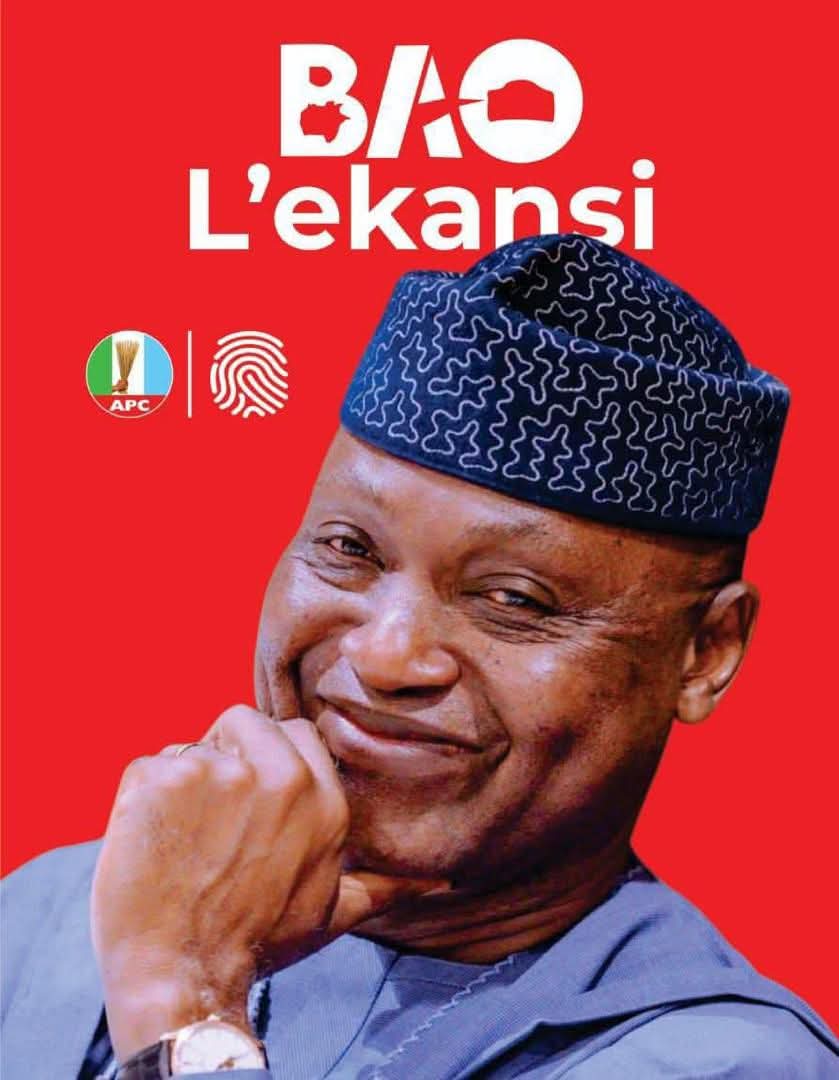
EKITI DECIDES 2026:
DON’T CHANGE THE TUNE, LET THE MUSIC CONTINUE
By Adesina Adetola
In politics, continuity is often underrated. The excitement of change frequently overshadows the value of consistency, even when existing leadership is delivering measurable progress. Yet history teaches us that societies advance most rapidly when good policies are sustained, institutions are strengthened, and development agendas are allowed to mature.
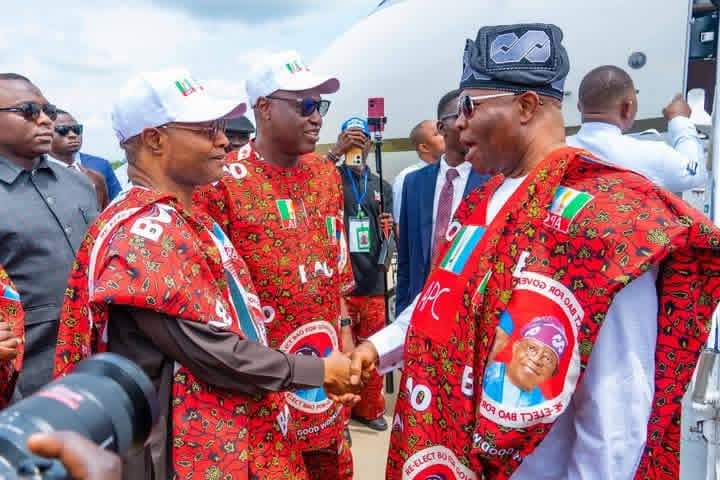
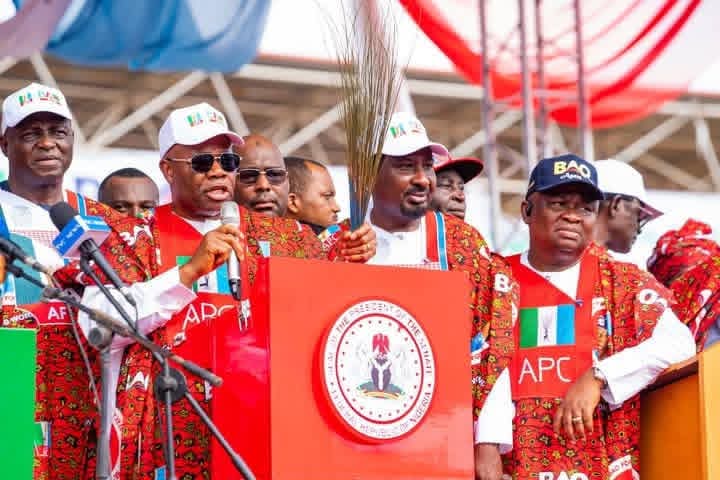
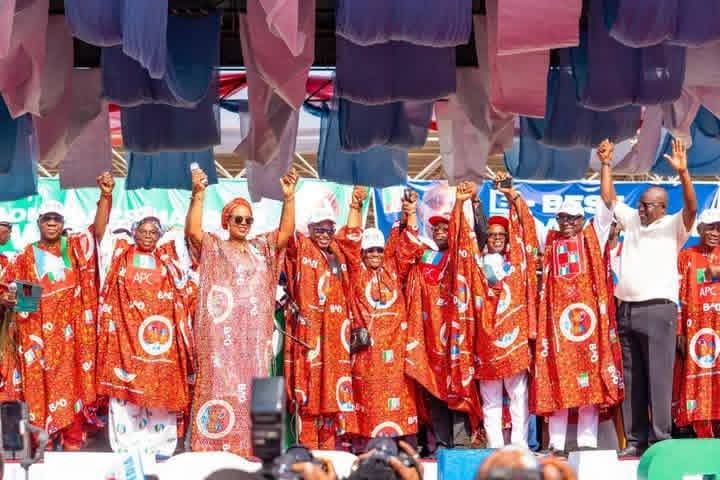
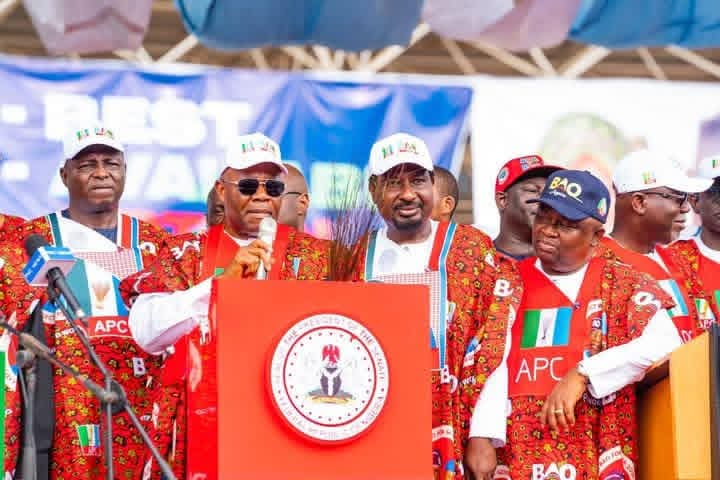
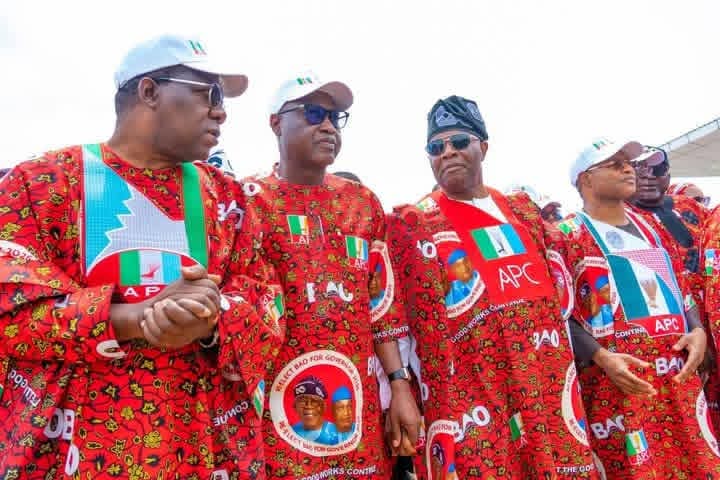
As Ekiti State approaches another defining moment in its democratic journey, voters are presented with a choice that goes beyond party affiliations and campaign slogans. The choice is between sustaining a development trajectory that has produced visible results over the last four years and risking a disruption of a governance model that many stakeholders now regard as one of the most inclusive and effective in the state’s recent history.
This is why the message “Don’t Change the Tune, Let the Music Continue” resonates so strongly at this moment
The metaphor is simple but powerful. When a melody is beautiful and the rhythm is working, wisdom suggests allowing the music to continue. Interrupting it prematurely serves neither the composer nor the audience. In the same way, governance that is producing results deserves the opportunity to consolidate its gains and build on its successes.
Since assuming office in October 2022, Governor Biodun Abayomi Oyebanji has pursued a style of governance defined by continuity, consensus-building, fiscal discipline, and people-centred development. Rather than embarking on a wholesale rejection of previous administrations’ projects, he adopted a pragmatic approach rooted in the understanding that development is a continuum.
One of the most remarkable aspects of the Oyebanji administration has been its commitment to completing inherited projects while simultaneously initiating new ones.
According to official government records, nearly 80 per cent of inherited projects have either been completed or substantially advanced, demonstrating a governance philosophy that prioritises public interest over political considerations.
Perhaps nowhere is this more evident than in infrastructure development. Roads remain critical to economic growth, social mobility, and rural integration. Under Governor Oyebanji’s administration, road contracts exceeding ₦200 billion have been awarded across approximately 350 kilometres of roads statewide. As of late 2025, more than 126 kilometres had already been completed while others were at advanced stages of construction.
For residents of communities long neglected by infrastructural development, these roads are more than asphalt and concrete. They are pathways to markets, schools, healthcare facilities, and economic opportunities. They reduce transportation costs, improve agricultural distribution, and enhance the quality of life for thousands of families.
The impact of this infrastructure revolution extends beyond urban centres. Rural communities have benefited from improved connectivity, helping to bridge the development gap between urban and rural Ekiti. Traditional rulers, farmers, transport operators, and residents who have witnessed these projects firsthand have consistently highlighted their transformative impact on local economies and daily living.
Another area where the administration has demonstrated foresight is agriculture. At a time when food security has become a national concern, Ekiti has positioned itself as a state determined to harness its agricultural potential.
The government’s “Bring Youth Back Into Agriculture” initiative represents one of the most innovative interventions in the sector. By clearing farmland, subsidising inputs, facilitating partnerships with private investors, and creating opportunities for young farmers, the administration has transformed agriculture from a subsistence activity into an avenue for wealth creation and employment generation.
The results are becoming increasingly evident. Thousands of hectares of farmland have been cleared, extension services have been revitalised, and youth participation in commercial agriculture has expanded significantly. Leadership Newspaper’s recognition of Governor Oyebanji as its Governor of the Year in 2025 highlighted the engagement of about 5,000 youths in commercial farming programmes as one of the administration’s major accomplishments.
Education, long regarded as Ekiti’s strongest asset, has also received sustained attention. Investments in school renovation, teacher development, and digital learning infrastructure have reinforced the state’s reputation as Nigeria’s fountain of knowledge. Public schools that once struggled with deteriorating facilities have witnessed significant improvements, creating better learning environments for students and teachers alike.
The healthcare sector presents another compelling example of strategic governance.
Across the state, primary healthcare centres have been revitalised and mobile healthcare services introduced to improve access in underserved communities. These interventions are particularly significant in rural areas where access to healthcare can often determine life or death outcomes.
Economic management has equally distinguished the administration. Official statistics cited by the governor indicate that Ekiti’s Gross Domestic Product increased from approximately ₦2.4 trillion in 2019 to ₦4.6 trillion by 2023, representing a growth rate of about 90 per cent. This growth has improved the state’s economic standing nationally and reflects deliberate investments in trade, agriculture, infrastructure, and enterprise development.
Equally commendable is the administration’s commitment to pensioners and retirees. More than ₦118 billion has reportedly been expended on pensions, gratuities, leave bonuses, and related obligations. In a country where pension arrears often become sources of hardship and frustration, this achievement demonstrates a government committed to honouring its obligations to those who have served the state.
Beyond projects and statistics lies perhaps Governor Oyebanji’s greatest achievement: the restoration and strengthening of social harmony. Governance in Ekiti today is characterised by broad stakeholder engagement, constructive relationships with traditional institutions, and a political atmosphere that prioritises development over division.
Indeed, one of the defining features of the administration has been its refusal to govern through conflict. Instead, it has embraced dialogue, consultation, and collaboration. This has created a climate of peace and stability that is essential for sustainable development and investor confidence.
As the June election approaches, the central question before Ekiti voters is straightforward. Has the state moved forward over the last four years? Have infrastructure improved, economic opportunities expanded, healthcare and education strengthened, and social harmony deepened?
For many observers, the evidence points clearly in one direction.
No administration is perfect. Challenges remain. More roads must be built. More jobs must be created. More investments must be attracted. Yet governance should be judged not by perfection but by progress. And by that standard, the Oyebanji administration has established a record worthy of serious consideration.
The future of Ekiti should not be built on uncertainty when there is already a visible foundation for growth. Development is not a sprint; it is a marathon. The gains recorded thus far require consolidation, expansion, and sustained commitment.
The melody of progress is playing across Ekiti State. Roads are connecting communities. Farms are creating opportunities. Schools are nurturing future leaders. Healthcare facilities are serving the vulnerable. Pensioners are receiving their entitlements. Investors are paying attention.
This is not the time to interrupt the music. This is the time to let it continue.
- Adesina Adetola is the Convener of the Ekiti Future Agenda (EFA).